
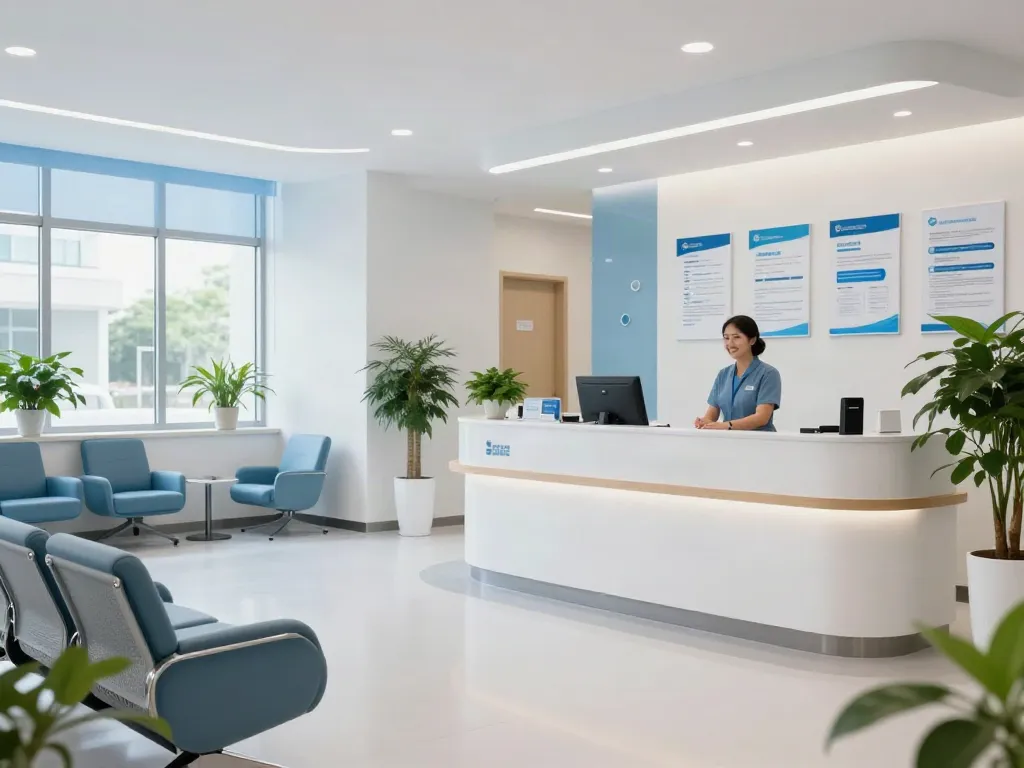
Understanding Primary Care and Its Importance
Primary care plays a crucial role in the healthcare system, serving as the first point of contact for patients seeking medical attention. This level of care emphasizes preventive health services, early diagnosis, and ongoing management of chronic conditions. With a strong foundation in community health, primary care develops long-lasting patient-provider relationships that foster trust and encourage patients to engage in their health journeys. When exploring options, toto slot provides comprehensive insights into accessing trustworthy healthcare solutions that are essential for a healthy lifestyle.
The Role of Primary Care in Preventive Health
Preventive health care is at the heart of primary care, focusing on preventing diseases before they occur. This encompasses routine screenings, vaccinations, and personalized lifestyle advice to help patients maintain optimal health. In alignment with the latest 2026 guidelines, primary care professionals are equipped to assess risk factors, educate patients about healthy habits, and implement tailored prevention strategies that can significantly reduce the incidence of chronic diseases such as diabetes and heart disease.
What to Expect During Your First Visit
Your first visit to a primary care provider is an opportunity to establish a health baseline and build a partnership for your overall well-being. Typically, your provider will conduct a comprehensive health assessment that includes your medical history, an examination, and necessary lab tests. Expect discussions about your lifestyle, family health history, and any concerns you may have regarding your health. This initial visit may last anywhere from 30 minutes to an hour, and it's vital to come prepared with questions and any previous medical records that might inform your care.
Choosing the Right Primary Care Provider for You
Selecting a primary care provider should involve consideration of various factors such as the provider's location, availability, and approach to care. Look for a clinician who specializes in areas relevant to your needs, whether it be women's health, pediatrics, geriatrics, or general practice. Additionally, assessing their philosophy of care—whether they focus primarily on treating illness or on preventive health—can help ensure you receive care that aligns with your health goals and preferences.
Innovative Digital Health Solutions in 2026
The healthcare landscape is evolving rapidly, particularly in the realm of digital health solutions. Innovations such as telemedicine and mobile health applications are increasingly being integrated into patient care models, offering patients more accessible and convenient ways to manage their health. These technologies empower patients to take an active role in their health management by providing tools for monitoring symptoms, scheduling appointments, and accessing educational resources.
Telemedicine: Bridging the Gap in Patient Accessibility
Telemedicine is transforming how primary care is delivered, particularly for patients in remote or underserved areas. Virtual consultations allow patients to connect with healthcare providers without the need to travel, reducing barriers to access. As telehealth technologies continue to improve, they are expected to facilitate more comprehensive care options, from routine consultations to specialist referrals, making healthcare more equitable.
The Impact of Healthcare Apps on Patient Engagement
Healthcare apps are enhancing patient engagement by providing personalized health insights and reminders. Many apps track vital signs, medications, and lifestyle habits, making it easier for patients to stay informed about their health. By integrating data collection and feedback, these applications encourage patients to adopt healthier behaviors and remain proactive in their health management, aligning with the latest patient-centered care standards.
Data Security and Patient Privacy in Digital Solutions
As digital health technologies proliferate, so too do concerns about data security and patient privacy. It is crucial that healthcare providers adopt robust security measures to protect patient information. Patients should be informed about how their data is being used and the steps providers take to maintain confidentiality. Compliance with regulations, such as HIPAA, remains essential to uphold patient trust in digital health advancements.
Comprehensive Mental Health Services
Mental health often takes a backseat in discussions about overall health, yet it is a crucial aspect of care that should not be overlooked. With a growing recognition of the prevalence of mental health issues, the demand for comprehensive mental health services has soared. These services address conditions ranging from anxiety and depression to more severe mental health disorders, providing holistic care that supports emotional and psychological well-being.
Recognizing Signs of Mental Health Issues
Understanding the signs of mental health challenges is pivotal for early intervention. Symptoms may include chronic fatigue, sleep disturbances, changes in appetite, social withdrawal, and persistent feelings of sadness or anxiety. Recognizing these signs in oneself or others can be the first step toward seeking help, and is often a focus area during routine primary care visits.
Effective Treatment Options for Anxiety and Depression
Current treatment options for anxiety and depression are diverse, ranging from psychotherapy and cognitive-behavioral therapy to medication management. Providers must personalize treatment plans based on individual needs and the severity of symptoms. Adjunct therapies, including mindfulness practices and physical activity, are also effective in managing symptoms, supporting the holistic approach to mental health care.
Building Support Networks for Mental Health
Support networks play a critical role in recovery and maintenance of mental well-being. Patients are encouraged to engage with community resources, support groups, and online platforms where they can connect with peers who understand their experiences. Building these networks fosters a sense of belonging and provides essential social support during challenging times.
Understanding Chronic Disease Management
Chronic diseases require ongoing management strategies to help patients maintain their health and quality of life. Primary care providers play a central role in managing conditions such as diabetes, hypertension, and heart disease through tailored care plans that focus on patient education, adherence to treatment, and lifestyle modifications. Keeping abreast of advancements in chronic disease management ensures that patients receive evidence-based care.
Personalized Care Plans for Diabetes Management
Diabetes management is a case in point where personalized care plans can significantly impact patient outcomes. These plans may include dietary modifications, regular blood sugar monitoring, and medication adjustments. With guidance from healthcare providers, patients learn to recognize their triggers and make informed choices about their health, contributing to improved glycemic control.
Cardiology: Advances in Heart Health Monitoring
Advances in cardiology, such as remote monitoring devices and wearable technology, have revolutionized the management of heart health. These innovations enable real-time monitoring of heart rate, blood pressure, and other vital signs, allowing for timely intervention when necessary. Primary care providers can leverage this technology to optimize care and enhance patient adherence to treatment regimens.
Navigating Lifestyle Changes for Chronic Conditions
Successfully navigating lifestyle changes can be challenging for patients with chronic conditions. Essential strategies include incorporating regular physical activity, adhering to prescribed diets, and managing stress through mindfulness practices or therapy. Providers can assist patients in setting realistic goals to promote gradual change, ensuring that modifications are sustainable and aligned with their lifestyle.
The Future of Telehealth in Patient Care
As telehealth technologies continue to evolve, the landscape of patient care is poised for significant advancement. The ability to conduct virtual consultations will likely become even more efficient, streamlining the process of accessing healthcare while maintaining high-quality standards of service. As patients increasingly seek convenience without compromising care, telehealth can bridge this gap.
Virtual Consultations: Benefits and Limitations
While virtual consultations offer unmatched convenience, they come with inherent limitations. Challenges include the need for reliable technology, potential barriers for older patients, and the limitations of physical examinations. However, the benefits often outweigh these limitations, particularly for routine follow-ups and non-emergency consultations where accessibility and time savings are paramount.
Integrating Remote Monitoring Technologies
Integrating remote monitoring technologies into telehealth services holds promise for enhancing patient involvement in their care. By utilizing devices that track health markers, providers can receive continuous data streams and respond swiftly to changes in a patient's condition. This technology facilitates proactive adjustments to treatment plans, ultimately supporting better health outcomes.
Preparing for the Next Wave of Telehealth Innovations
Healthcare organizations must prepare for the next wave of telehealth innovations by investing in training for providers, ensuring equitable access for all patient populations, and incorporating patient feedback into technology development. As telehealth becomes increasingly integrated into care models, it will be essential to sustain the human connection between patients and providers while leveraging the efficiency of digital solutions.